Area guides
Buying property in Pererenan and Seseh
In short
- Foreigners can buy property in Pererenan, Seseh and Cemagi, usually through a leasehold (Hak Sewa), or through a PT PMA company holding Hak Guna Bangunan, or Hak Pakai for eligible residents. Foreigners cannot hold freehold title (Hak Milik).
- These villages are changing fast, from rice fields to villas, so zoning is the first check: confirm with the local spatial plan (RDTR) that the plot allows the use you want.
- Many listings are off plan: verify the developer, the land title, the building permit (PBG) and how your payments are protected before signing.
- Every transaction should go through a notary (PPAT) with independent title and permit checks. Do not rely on the seller's documents alone.
- The area suits buyers who want to be near Canggu but in a calmer, more residential setting, with a medium to long term view.
Pererenan, Seseh, Cemagi: character and development pattern
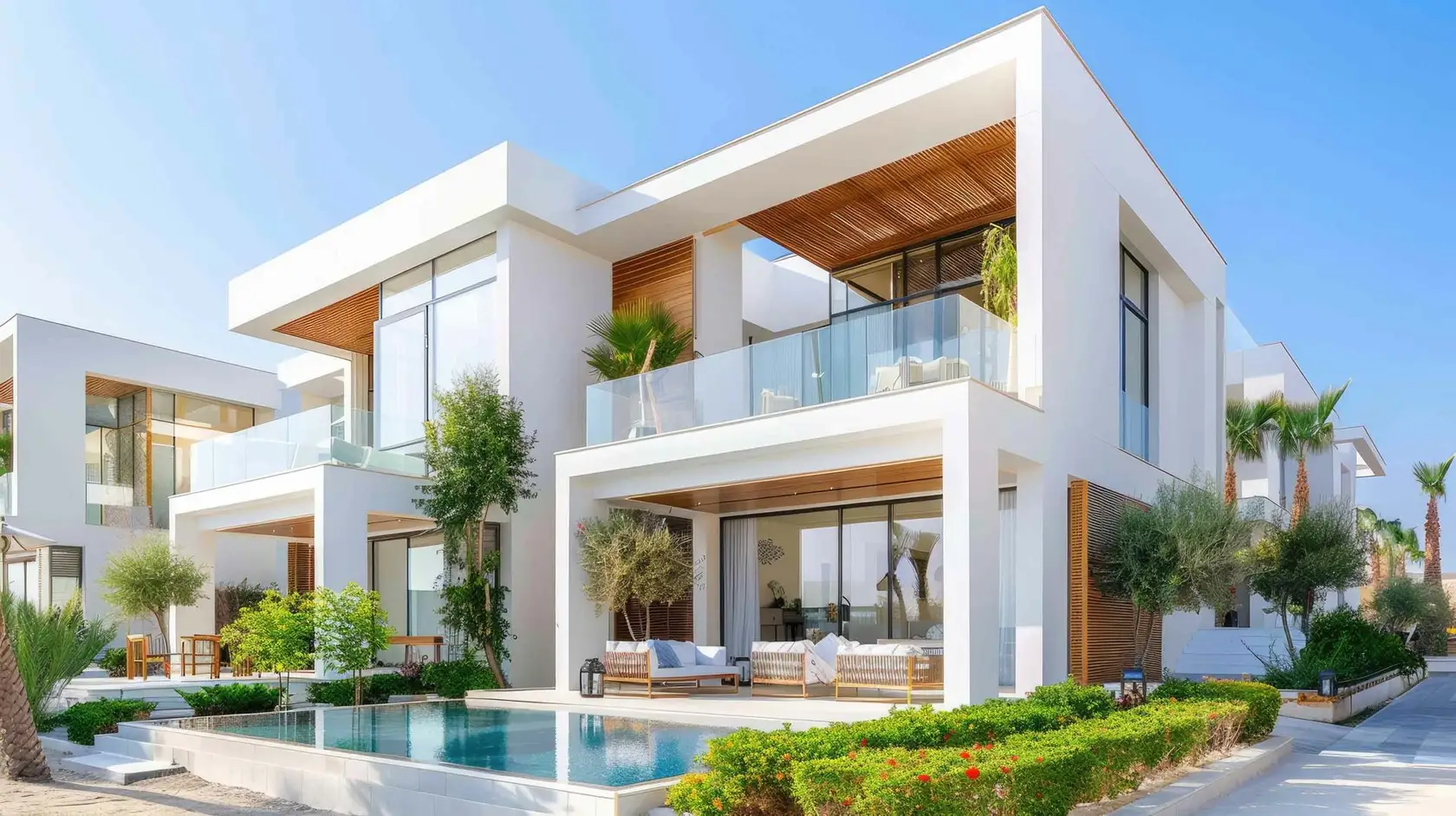
Pererenan sits just west of Canggu, in the Badung regency. Over recent years it has moved from a quiet farming village to one of the most sought after villa areas on the west coast. It keeps a village feel, with temples, rice fields and local life, while cafes, gyms and private villas have spread along its main roads.
Further west, Seseh and Cemagi are coastal villages with black sand beaches, cliffs and a slower pace. Development there is more recent and more scattered. You will find a mix of established family homes, new villa complexes, empty plots and agricultural land. Beyond the Badung border lies Tabanan, which has its own rules and pace (see our guide to buying property in Tabanan).
The typical development pattern looks like this:
- Pererenan centre and near the beach: denser, with many completed villas and active rental demand, and less open land.
- Inland Pererenan and Seseh: a mix of new villa clusters and rice fields, with roads and infrastructure still catching up in places.
- Cemagi and the coastal edge: larger plots, more open views, but also more land that may be agricultural or protected, and access roads that can be narrow.
If you are also looking at Canggu itself, compare both areas with our guide to buying property in Canggu.
Zoning in fast changing villages
In areas that change this quickly, the biggest risk is buying land or a villa that does not match the official zoning. A plot can look like part of a villa neighbourhood while being classified as agricultural or green land.
What to check
- The zoning designation of the exact plot in the RDTR (detailed spatial plan) or the applicable spatial plan. Zones are often shown by colour, for example yellow for housing. Read our guide on what to do if a villa is in a yellow zone and on typical zoning mistakes.
- The permitted use: residential use and tourism accommodation (rentals) are not always allowed in the same zone. If you plan to rent the villa, confirm that this activity is permitted.
- Protected land: rice fields under protection, river banks, coastal setbacks and sacred areas can limit or prohibit construction.
- Access: a legal access road matters for permits, resale and daily life.
Zoning rules and maps are updated over time. Always ask for a current check through official channels, ideally with your notary or a licensed consultant, rather than relying on an older document supplied by the seller.
Off plan projects and what to check
Many villas offered in Pererenan and Seseh are sold off plan, meaning before or during construction. This can give access to new builds, but it carries specific risks: delays, changes to the design, unfinished projects or a developer without the right permits.
Before committing, check:
- The land title (certificate type, owner name, matching location and size) and the lease agreement between the landowner and the developer if the developer itself leases the land. Your lease cannot be longer than the developer's own rights.
- The PBG (Persetujuan Bangunan Gedung, the building approval that replaced the old IMB) for the project, and later the SLF (certificate of worthiness) once the building is complete. See our guide on the SLF.
- The developer's legal entity, its track record and completed projects you can visit.
- The payment schedule: payments linked to construction milestones rather than large upfront amounts, with clear penalties for delays.
- Specifications in writing: materials, finishes, surface area and what is included.
- The lease length, extension terms and rental rules in the contract. Our guide on lease extension clauses explains what to look for.
For a full list, read buying off plan in Bali: risks and protections and our due diligence checklist.
Practical steps to buy in Pererenan or Seseh
- Define your goal: own use, rental, or both. This drives the zoning and permit checks.
- Choose the structure: leasehold or PT PMA. Our guide on leasehold vs freehold and on PT PMA property can help.
- Shortlist properties and visit them at different times of day, including the access road and the surroundings.
- Request documents: title certificate, owner ID, PBG, tax receipts (PBB) and any existing lease.
- Run independent checks of title, zoning and permits through a notary (PPAT) or licensed advisor.
- Negotiate and sign with clear terms, ideally with a bilingual contract reviewed by your own advisor.
- Pay taxes and fees as advised by your notary, in IDR. See our guide on property taxes and fees.
- Register the transaction and keep certified copies of every document.
Who it suits
Pererenan and Seseh tend to suit:
- Families and long stay residents who want space and quiet while staying close to Canggu's schools, shops and restaurants.
- Buyers planning a holiday rental, provided zoning and licences allow it. Read our guide on rental income, licences and tax before assuming any return.
- Patient investors who accept that infrastructure and the surroundings will keep changing, and who take a medium to long term view.
It may suit less well buyers who want a fully built, urban environment today, or those who need certainty on views and surroundings, since nearby plots may be built on in the future.
How FIRST Property can help
FIRST Property is a real estate agency based in Canggu. We can organise viewings in Pererenan, Seseh and Cemagi, go through title and permit checks with you, and follow up with the notary until the transaction is registered. Browse our current listings or villas for sale in Bali, or message us on WhatsApp at +62 822 50 40 50 with your questions.
FAQ
Can a foreigner buy a villa in Pererenan?
Yes, usually through a leasehold or a PT PMA. Foreigners cannot hold Hak Milik (freehold) title.
Is land in Seseh safe to buy?
It can be, if the title is clean, the zoning allows your planned use and access is legal. Check all three with a notary before paying.
What is the main risk in Pererenan?
Zoning mismatch: a plot that looks residential but is classified as agricultural or protected land. Always check the RDTR.
Are off plan villas a good idea in this area?
They can be, but only with a verified developer, a valid PBG, milestone based payments and a clear contract.
In which currency are prices paid?
In Indonesia, transactions are made in Indonesian rupiah (IDR). Your notary will confirm the amounts of taxes and fees.