Area guides
Buying property in Sanur: a buyer's guide
In short
- Sanur is the calm, established side of south Bali, valued by families, retirees and long stay residents rather than party crowds.
- Foreigners cannot hold freehold title (Hak Milik). They usually buy through a leasehold (Hak Sewa), a Hak Pakai right of use, or a company structure (PT PMA).
- The market mixes older family houses, private villas and a smaller number of apartments and residences.
- Rental demand leans toward monthly and long stay tenants, so think about comfort, quiet and practicality more than nightly party appeal.
- Before paying anything, verify the land certificate, the zoning (RDTR), the building permit (PBG, or the older IMB) and the lease terms with an independent notary (PPAT).
Sanur's character: calm, family friendly, popular with retirees
Sanur sits on the east coast of south Bali and is part of the city of Denpasar. It was one of the first places on the island to welcome international visitors, and it still feels more settled than the newer hotspots on the west coast.
What buyers usually like about Sanur:
- A calm beach. A reef offshore keeps the water fairly gentle along much of the coast, which suits swimming, paddle boarding and families with children.
- The beachfront path. A long paved promenade runs along the shore, popular for walking and cycling.
- Everyday convenience. Supermarkets, schools, clinics, cafes and services are established, and the city of Denpasar is close by.
- Island access. Boats to Nusa Penida and Nusa Lembongan leave from Sanur, which is a plus for residents and for guests.
- A slower rhythm. Nightlife is limited compared with Canggu or Seminyak, which is exactly why many retirees and families choose it.
The flip side is that Sanur is less of a short stay "hype" market. If your plan relies on high nightly rates from young travellers, compare it carefully with other areas before deciding.
Property types in Sanur
Family houses
Many homes in Sanur were built as residences rather than holiday rentals. You will find houses with gardens, several bedrooms and a more local layout. Some are well maintained, others need renovation. Older buildings are worth an inspection by a builder or engineer, and you should confirm that the existing structure matches its permits.
Villas
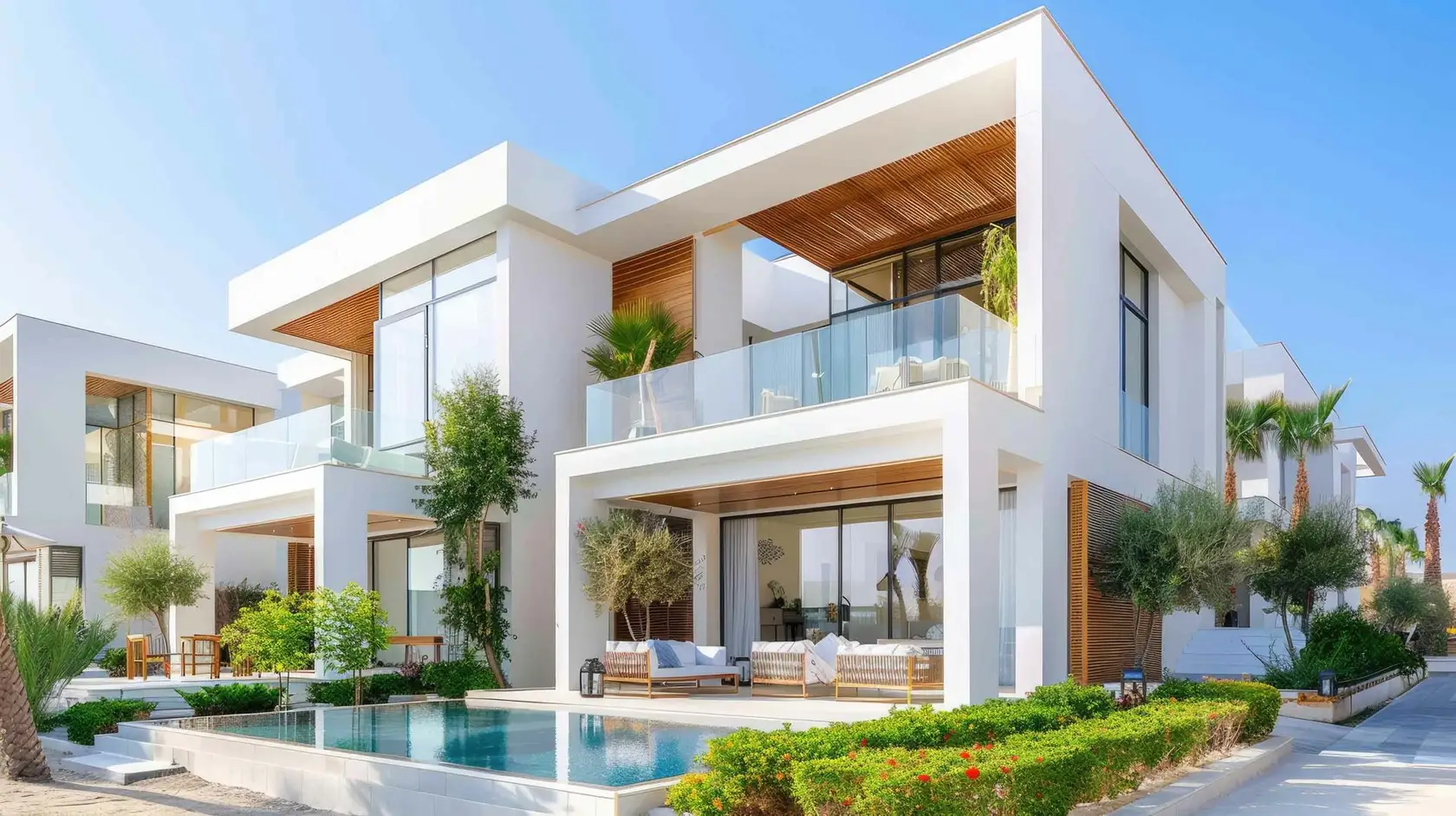
Private pool villas exist across Sanur, from compact one or two bedroom units in small complexes to larger standalone properties. Villas close to the beach or within easy reach of the promenade tend to be the most sought after. Check access roads, parking and the condition of shared areas in a complex.
Apartments and residences
The apartment offer in Bali is smaller than in a typical city, and Sanur is no exception. Where apartments or serviced residences exist, look closely at the management company, service charges, the building's permits and the exact right you are buying (a lease on a unit, or a strata type title where applicable).
Land
Some buyers look for land to build a home. In that case, zoning is the first thing to verify: not every plot can be used for residential or tourism buildings. Our guides on how to build legally in Bali and typical zoning mistakes explain the main steps.
You can browse current opportunities on our listings page or in our selection of villas for sale in Bali.
The long stay rental profile
Sanur attracts a particular kind of tenant:
- retirees spending several months a year in Bali,
- families on extended stays, sometimes with children in local schools,
- remote workers looking for a quiet base,
- visitors coming for medical, wellness or diving reasons.
These tenants usually value a reliable internet connection, a good kitchen, air conditioning, storage, a quiet street, safe walking routes and easy access to shops and the beach. A property designed for long stays can mean fewer turnovers, lower cleaning and management effort and steadier occupancy, but income depends on the property, the price and the management, so we do not promise any yield.
If you plan to rent out, check that the property and its use are compatible with the applicable licences and with zoning, and ask your advisor about tax obligations. Our guide on rental income, licences and tax covers the general framework.
Tenure: how foreigners can hold property
Indonesian law reserves freehold (Hak Milik) for Indonesian citizens. Foreign buyers generally use one of these routes:
- Leasehold (Hak Sewa). You lease the land and building for an agreed period. It is the most common route for foreigners in Bali. The quality of the lease contract, especially extension clauses, matters a lot. See our guide on lease extension clauses.
- Hak Pakai (right of use). Foreign individuals with the right residency status may, under conditions, hold a right of use on residential property. Rules and eligibility should be confirmed with a notary.
- PT PMA (foreign owned company). A company can hold certain land rights (such as HGB) for a business purpose. It brings reporting and compliance obligations. Read our PT PMA guide.
To understand the differences between certificates, see our guide on land certificates: SHM, HGB and Hak Pakai, and our comparison of leasehold vs freehold in Bali. Your visa or residency status can also affect your options: see Bali visas and property ownership.
Avoid nominee arrangements, where an Indonesian holds Hak Milik "on your behalf". They are widely considered risky and can leave you without legal protection.
Practical steps and checks before you buy
- Define your use. Personal home, long stay rental, or both. This shapes the type of property and the tenure you need.
- Set your budget in IDR, including notary fees, taxes, due diligence and furnishing. Our guide on property taxes and fees gives an overview; rates and rules should be confirmed with your notary, as they can change.
- Shortlist and visit. Go at different times of day to judge noise, traffic and access.
- Verify the land certificate. Confirm the owner, the type of right and the boundaries, and ask the notary to check the certificate with the land office (BPN).
- Check zoning (RDTR). Make sure the intended use (residential, tourism, rental) is allowed on that plot.
- Check building permits. Confirm a PBG (which replaced the IMB) or a valid older IMB, and an SLF where required. See our guide on the SLF.
- Review the contract. For a leasehold, check duration, start date, extension terms, subleasing rights and what happens on sale or inheritance.
- Sign with a PPAT notary. The notary prepares and registers the deed. Choose an independent notary you trust.
Our due diligence checklist goes into more detail, and if you are buying a project not yet built, read buying off plan in Bali. For a wider overview of the process, see our guide on buying a villa in Bali as a foreigner.
How FIRST Property can help
We are a local agency based in Bali. We can organise viewings in Sanur, go through the land certificate, zoning and permits with you, and follow up with your chosen notary until the deed is signed. If you would like to talk about a project, message us on WhatsApp at +62 822 50 40 50.
FAQ
Can a foreigner buy a villa in Sanur?
Yes, but not as freehold (Hak Milik). Foreigners usually buy through a leasehold, a Hak Pakai right of use, or a PT PMA company.
Is Sanur good for long stay rentals?
Sanur mostly attracts retirees, families and remote workers staying for weeks or months. Demand varies by property, so assess each one individually.
What should I check before buying a house in Sanur?
The land certificate, zoning (RDTR), the building permit (PBG or IMB), the lease or title terms, and the identity of the owner, with an independent PPAT notary.
Are prices in Sanur shown in IDR?
Yes. All prices on our site are in Indonesian rupiah (IDR), and transactions in Indonesia are made in rupiah.
Do I need a notary to buy property in Sanur?
Yes. A PPAT notary prepares and registers the land deed. Choose an independent notary and involve them early.